
Cooling Tower Water Treatment and System Management: Protecting Efficiency, Compliance, and Asset Lifespan
Cooling tower water treatment is far more than a routine maintenance task. It is a critical operational function that directly impacts system efficiency, equipment reliability, energy consumption, regulatory compliance, and long-term asset protection.
While Legionella control remains a major legal and health priority, effective cooling tower management must also address the wider risks associated with scale formation, corrosion, fouling, suspended solids, and microbiological growth. Without a properly managed treatment programme, cooling systems can quickly become inefficient, unreliable, and costly to operate.
For facilities managers, estates teams, and responsible persons, a proactive and technically robust water treatment strategy is essential for maintaining safe and efficient building operations.
Why Cooling Tower Water Treatment Matters
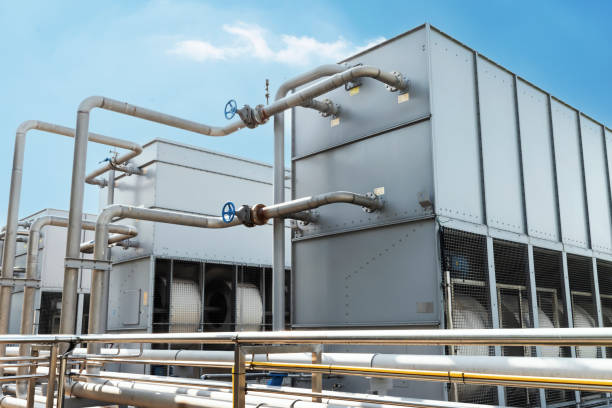
Cooling towers operate by dissipating heat through water evaporation. As evaporation occurs, dissolved minerals and contaminants become increasingly concentrated within the system.
If left unmanaged, this environment creates ideal conditions for scale formation, corrosion, biofilm development, bacterial growth, and fouling. Each of these issues can negatively affect system performance, increase operational costs, and shorten equipment lifespan.
A successful cooling tower treatment programme should always be tailored to the individual system. Source water quality, operating conditions, environmental factors, plant metallurgy, and maintenance practices all influence how a cooling system behaves and how it should be treated.
There is no universal solution. Every cooling system requires a treatment strategy aligned to its operational profile and risk exposure.
The Key Operational Risks in Cooling Tower Systems
Scale Formation
As water evaporates, dissolved minerals such as calcium and magnesium become concentrated. Over time, these minerals form hard deposits on heat exchange surfaces and associated equipment.
Even relatively minor scale accumulation can significantly reduce heat transfer efficiency and increase energy consumption. Systems affected by scaling often experience higher operating costs, greater strain on plant equipment, and reduced asset lifespan. In high-demand environments, inefficient heat exchange can quickly compromise wider plant reliability.
Corrosion
Corrosion is one of the most damaging issues affecting cooling water systems. Poorly controlled water chemistry, fluctuating temperatures, and incompatible metallurgy can all accelerate corrosion activity throughout the system.
If left unmanaged, corrosion can lead to pipework deterioration, leaks, equipment failure, and operational disruption. Corrosion also creates favourable conditions for microbiological growth, including Legionella proliferation.
Effective corrosion management relies on continuous monitoring, carefully controlled water chemistry, and inhibitor programmes designed specifically for the system and materials involved.
Microbiological Growth
Warm recirculating water provides an ideal environment for bacteria, algae, and biofilm development. Biofilm is particularly problematic because it protects microorganisms from treatment chemicals while also insulating heat exchange surfaces and reducing thermal efficiency.
Poor microbiological control increases operational risk, raises maintenance requirements, and may create compliance concerns. It can also contribute to reduced system efficiency and higher cleaning costs over time.
Cooling tower hygiene management therefore requires a combination of effective treatment chemistry, routine monitoring, inspection, and planned cleaning activity.
Fouling and Suspended Solids
Cooling towers are continuously exposed to airborne contaminants, dust, debris, and process-related solids. Over time, these materials accumulate within the system and contribute to fouling issues.
Fouling can restrict water flow, block components, reduce water distribution efficiency, and increase maintenance demands. It also creates conditions that support secondary microbiological problems and operational inefficiencies.
Routine housekeeping and system cleaning are essential components of an effective treatment programme and should work alongside chemical control measures.
What Should a Professional Cooling Tower Water Treatment Programme Include?
An effective cooling tower treatment programme involves far more than simply supplying chemicals. Modern water treatment strategies should combine technical control measures with proactive operational support.
A professionally managed programme will typically include treatment technologies supported by automated dosing and control systems, regular water quality monitoring, laboratory analysis, inspection of system cleanliness and condition, and responsive technical support.
Ongoing performance reporting, remedial recommendations, and remote monitoring capabilities are also increasingly important for maintaining visibility and operational control.
Most importantly, the programme should remain flexible enough to respond to changing site conditions, seasonal demand fluctuations, plant modifications, and operational changes.
What to Expect from a Quality Water Treatment Provider
The effectiveness of a treatment programme depends heavily on the quality of service delivery behind it. Facilities teams require providers that deliver not only technical expertise, but also practical support, consistency, and clear communication.
A reliable provider should begin with a detailed system review and risk-based assessment before implementing a treatment strategy tailored to the site. Ongoing support should include routine site visits, monitoring, dosing equipment inspections, optimisation recommendations, and responsive technical assistance when issues arise.
Clear and concise reporting is equally important. Facilities managers and responsible persons need actionable information that supports operational decision-making and demonstrates active management of the system.
Consistency becomes especially important within compliance-focused sectors such as healthcare, education, industrial manufacturing, and large commercial buildings.
Choosing the Right Cooling Tower Water Treatment Partner
Selecting the right water treatment partner requires organisations to assess both technical capability and operational reliability.
A competent provider should understand the pressures associated with managing compliance-sensitive environments such as hospitals, universities, industrial sites, and commercial properties. They should also recognise the operational realities faced by facilities and estates teams responsible for maintaining multiple building systems simultaneously.
Integrated support across wider water hygiene services can significantly improve contractor coordination and operational continuity. Providers that deliver services directly through employed engineers often provide greater accountability, consistency, and communication compared to subcontracted models.
Responsiveness also matters. Fast support, proactive communication, and practical problem-solving are essential where operational continuity and health and safety are critical concerns.
The Importance of Monitoring and Record Keeping
Even the most well-designed treatment programmes require ongoing review and adjustment. Cooling systems operate within changing environments influenced by seasonal demand, water quality variations, occupancy changes, equipment condition, and operational adjustments.
Continuous monitoring allows emerging problems to be identified early before they develop into larger operational or compliance concerns. It also provides validation that treatment programmes are performing effectively and supports planned maintenance activity.
Comprehensive record keeping remains essential for demonstrating active system management, supporting internal compliance processes, analysing long-term trends, and informing future investment decisions.
Without proper monitoring and documentation, organisations lose visibility over system performance and risk exposure.
Cooling Tower Management Within Wider Building Water Hygiene
Cooling tower treatment should form part of a broader building water hygiene and asset management strategy rather than operating independently.
Facilities teams are often responsible for managing domestic water systems, closed heating and chilled systems, water sampling programmes, tank hygiene, contractor coordination, and planned preventative maintenance schedules alongside cooling tower operations.
An effective service provider should understand these wider responsibilities and integrate their support within existing compliance and maintenance frameworks. This joined-up approach improves communication, simplifies contractor management, and supports more effective operational oversight across the site.
Signs Your Cooling Tower Treatment Programme May Need Reviewing
Many organisations continue operating under treatment arrangements that are reactive rather than proactive. Over time, this can lead to inefficiencies, reduced visibility, and increased operational risk.
Recurring scale formation, corrosion problems, fouling issues, inconsistent reporting, or delayed technical support are all indicators that a treatment programme may require review. Organisations may also benefit from reassessing their arrangements where multiple disconnected contractors are managing related services or where operational requirements have changed significantly.
A properly managed review process can often identify opportunities to improve efficiency, coordination, oversight, and overall system performance without necessarily requiring a complete replacement of the existing programme.
Final Thoughts
Cooling tower water treatment is a critical operational and compliance function that directly affects system efficiency, asset lifespan, energy usage, maintenance costs, water hygiene management, and operational reliability.
A well-designed and actively managed treatment programme should control scale, corrosion, fouling, and microbiological growth while improving operational efficiency and reducing avoidable costs. It should also support compliance objectives, extend plant lifespan, and improve confidence in overall system management.
For facilities managers and responsible persons, the value of a treatment provider extends far beyond chemical supply alone. Organisations achieve the best outcomes when working with providers that combine technical expertise with responsive support, practical operational understanding, and clear communication.
A tailored, proactive, and integrated approach to cooling tower water treatment will consistently outperform reactive or generic service models and provide greater long-term confidence in the management of critical water systems.
Support From 4i Water Services
If you are reviewing your existing cooling tower treatment programme or looking for a more responsive and integrated service provider, 4i Water Services can help.
Further information is available through the following resources:
- Cooling Water Treatment Services
- Commercial Water Treatment Services
- Legionella Risk Assessment Information
Speak with 4i Water Services for practical advice, responsive support, and independent water treatment solutions tailored to your building and operational requirements.